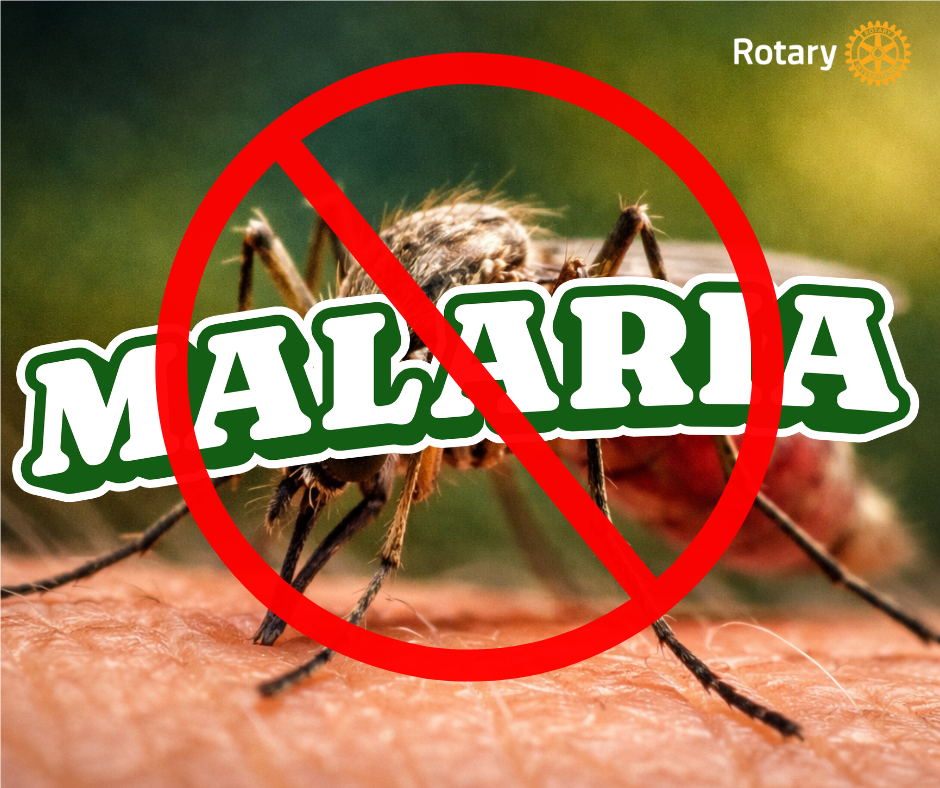
The fever always began the same way.
A chill first, strange and sudden, as if the air itself had turned against you. Then heat, rising fast, until the body burned like a small sun. Malaria is not loud when it arrives. It slips in through the bite of a mosquito, carrying tiny parasites into the blood, where they invade red blood cells and multiply, again and again, until the body can no longer keep up.
In a village in Mozambique, Amina knew the pattern well. She had seen it in her father, who once lay shaking under a thin blanket, his strength drained by something too small to see. She had seen it in neighbors who walked miles for treatment, sometimes too late. Malaria was more than an illness. It was a shadow over daily life, shaping when people worked, how children played, even how families slept at night.
It steals energy, disrupts livelihoods, and for the youngest and most vulnerable, it can take everything.
But malaria is also something humans have learned how to fight. Across parts of Africa, change has begun to ripple outward, carried not by chance, but by people.
Through programs supported by Rotary International, community health workers are being trained to meet malaria where it starts. They walk from home to home with rapid diagnostic tests that can detect the disease in minutes. No guesswork. No waiting for symptoms to worsen. If the test is positive, treatment begins immediately. In Zambia, workers distribute mosquito nets that act like invisible shields during the night, when the mosquitoes are most active. In regions where access to clinics is difficult, they bring care directly to families, turning distance from a barrier into a bridge.
Rotary’s efforts do not stand alone. They partner with local health systems, strengthen supply chains, and support education so that communities understand not just how to treat malaria, but how to prevent it.
On the same continent where malaria once moved unchecked, millions of tests are now conducted each year. Thousands of health workers are trained. Cases are detected earlier. Lives are saved quietly, one diagnosis at a time.
Malaria is still there. It has not disappeared. But it is no longer invisible. No longer unstoppable. Because across villages, across countries, people have decided to face it together. And with knowledge, tools, and persistence, they are slowly rewriting the story of a disease that once wrote far too many endings.